
Medium format cheap
Little Soviet camera as an entry into medium format

“Full frame” cameras only use that name because they are the same size as 35mm film. “Full” gives the impression of complete or maximum, but in the film days, there was a time when 35mm was seen as the tiny inferior format. Serious photography was done in large format, something like 8x10 or 4x5. That’s inches. A piece of film the size of a sheet of paper. Roll film is where you would look if you needed something more compact. There were many formats, but today, there is only one left. 120. Not 120mm, but 120, which was Kodak’s film size code for the format. It was about 61mm tall and as wide as your camera let it be, with typical sizes being 6x4.5, 6x6, 6x7, and 6x9 cm. When Leica decided to use 35mm movie film in a still camera, many people thought it would never be used professionally because 35mm film was just too small, predicting it to be regulated to the realm of informal snapshots.
Today, it's a different world. The majority of photos are taken on smartphones with sensors smaller than some of the smallest film formats ever created. Interchangeable lens cameras come in various sensor sizes, smaller and bigger than what we call “full frame,” but generally, full frame is the end of affordability. Anything larger than that becomes extremely expensive, with the cheapest option being the Fujifilm GFX system, which starts at $5,000 without a lens. When people begin to get into film photography, they quickly discover 120 format cameras. This gives the medium format look for a significantly lower price than you can find digitally, even accounting for film prices.
Professional studio and field medium format cameras from brands like Hasselblad, Pentax, Mamiya, and Rollei have created some of the most incredible photographs in the history of photography. While significantly less expensive than the digital medium format equivalents, a photographer will likely spend between $500 and $3,000 for one of these vintage cameras. That’s still a lot for someone who’s just experimenting with film.
What if your budget is lower? Like a lot lower? There are toy cameras out there with plastic bodies and plastic lenses that leak light like crazy, such as the Holga, which takes medium-format film. The results from those cameras are “artistic,” to put it gently. What if you don’t want to spend much but still get something that makes photos you would be happy to print? Well then, the Soviets have you covered.
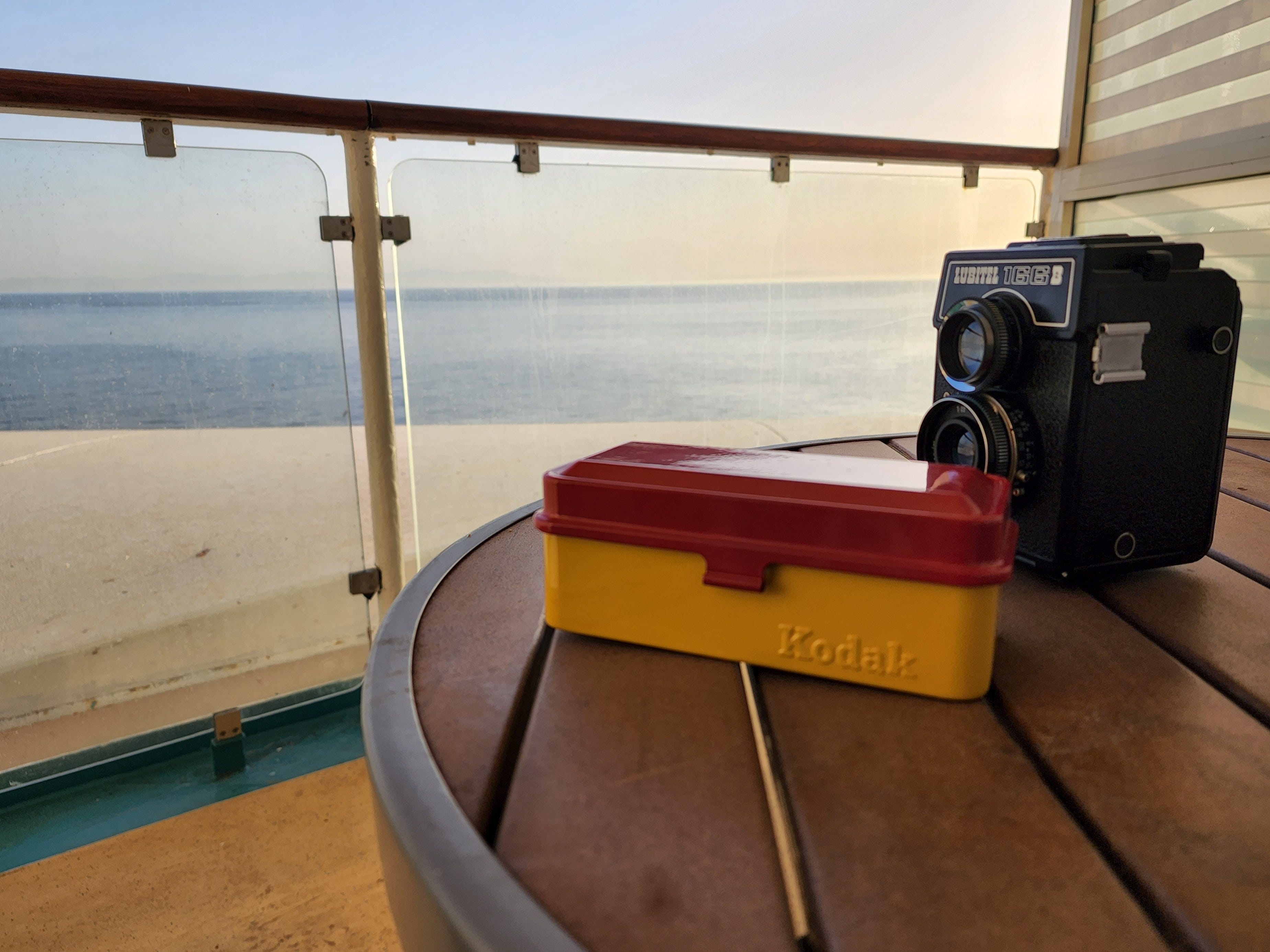
I was in this same situation a few years back. I wanted to try the 120 format but didn’t want to commit to investing in something expensive. Then I came across the Lomo Lubitel 166b.
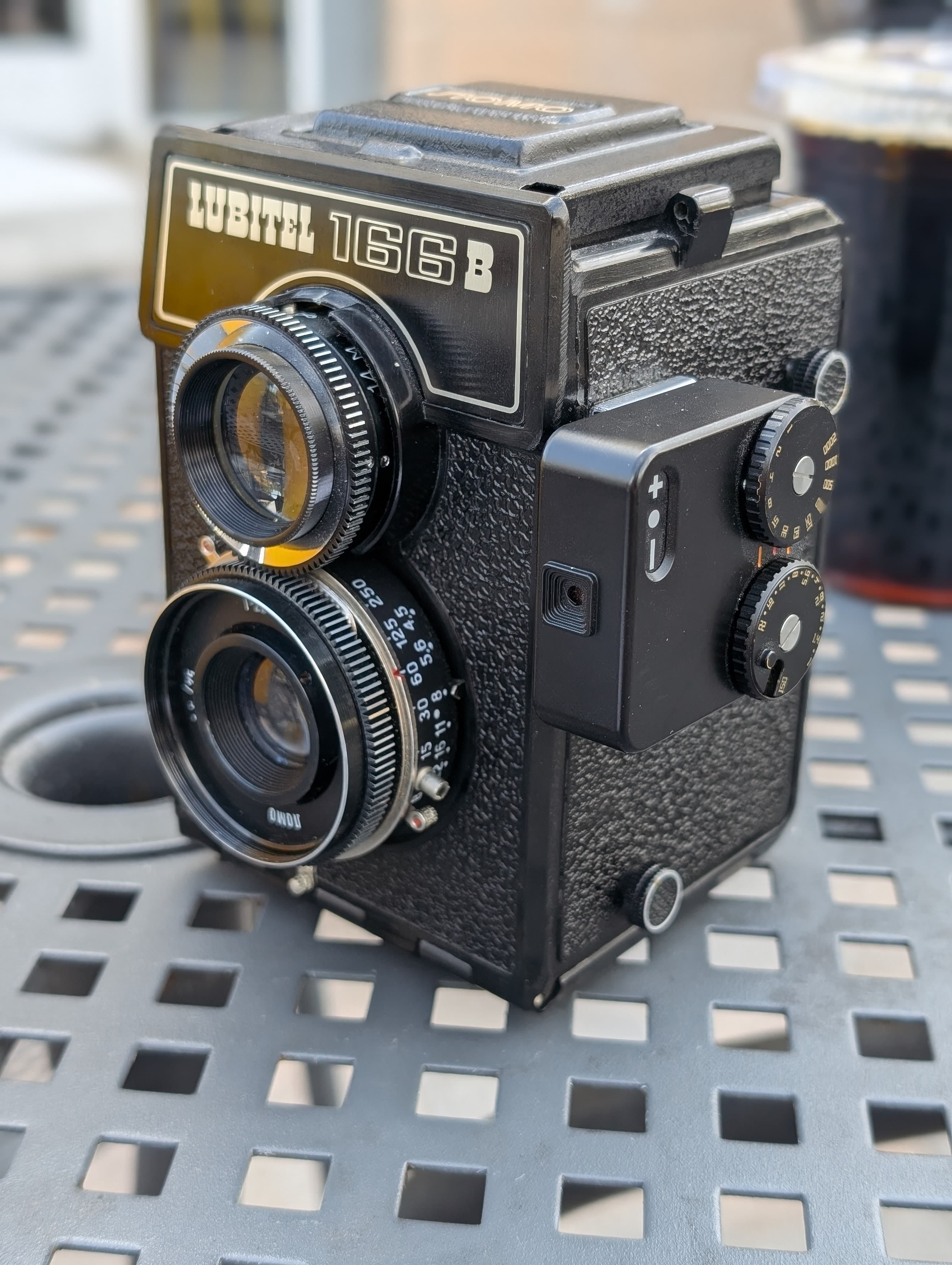
This was a cheap Soviet twin-lens reflex (TLR) camera for the everyday person. While the body is all plastic, the lens is a surprisingly sharp 3-element glass piece. You also get full manual control of shutter speed and aperture and a coupled focusing lens. I got this one on Ebay for $30. For the price, you wouldn’t have high expectations, but I’ll let the results speak for themselves.
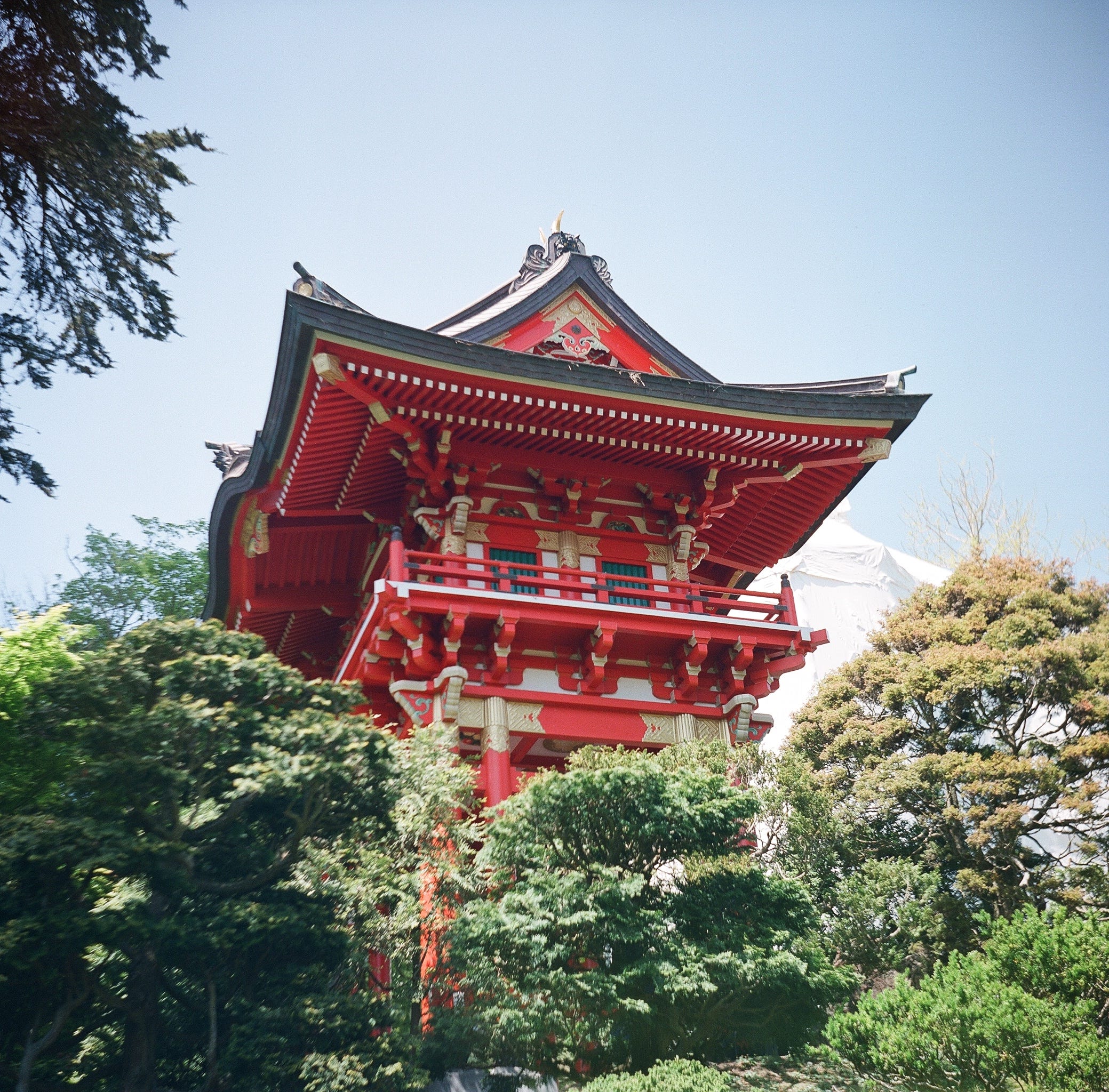
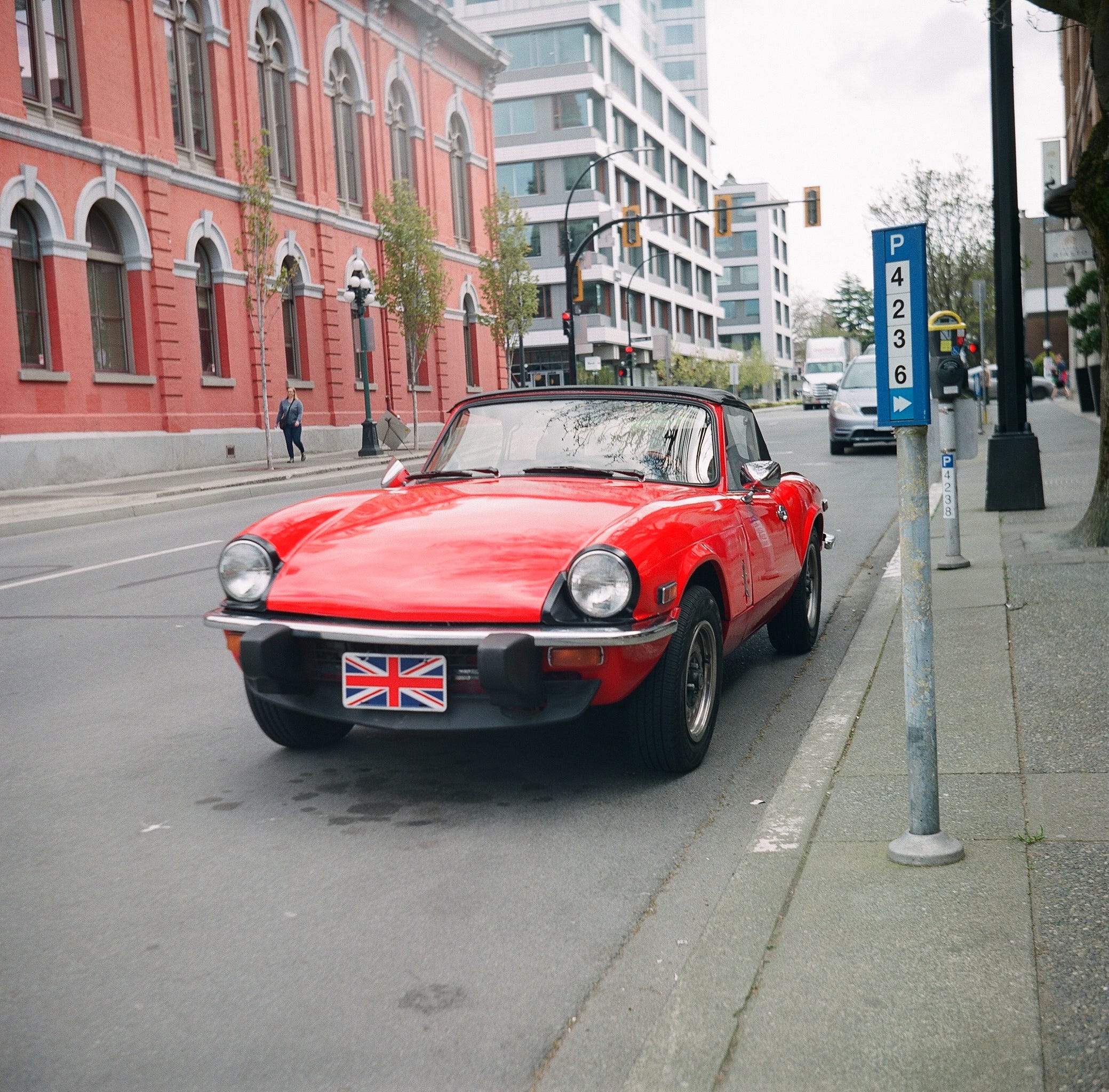
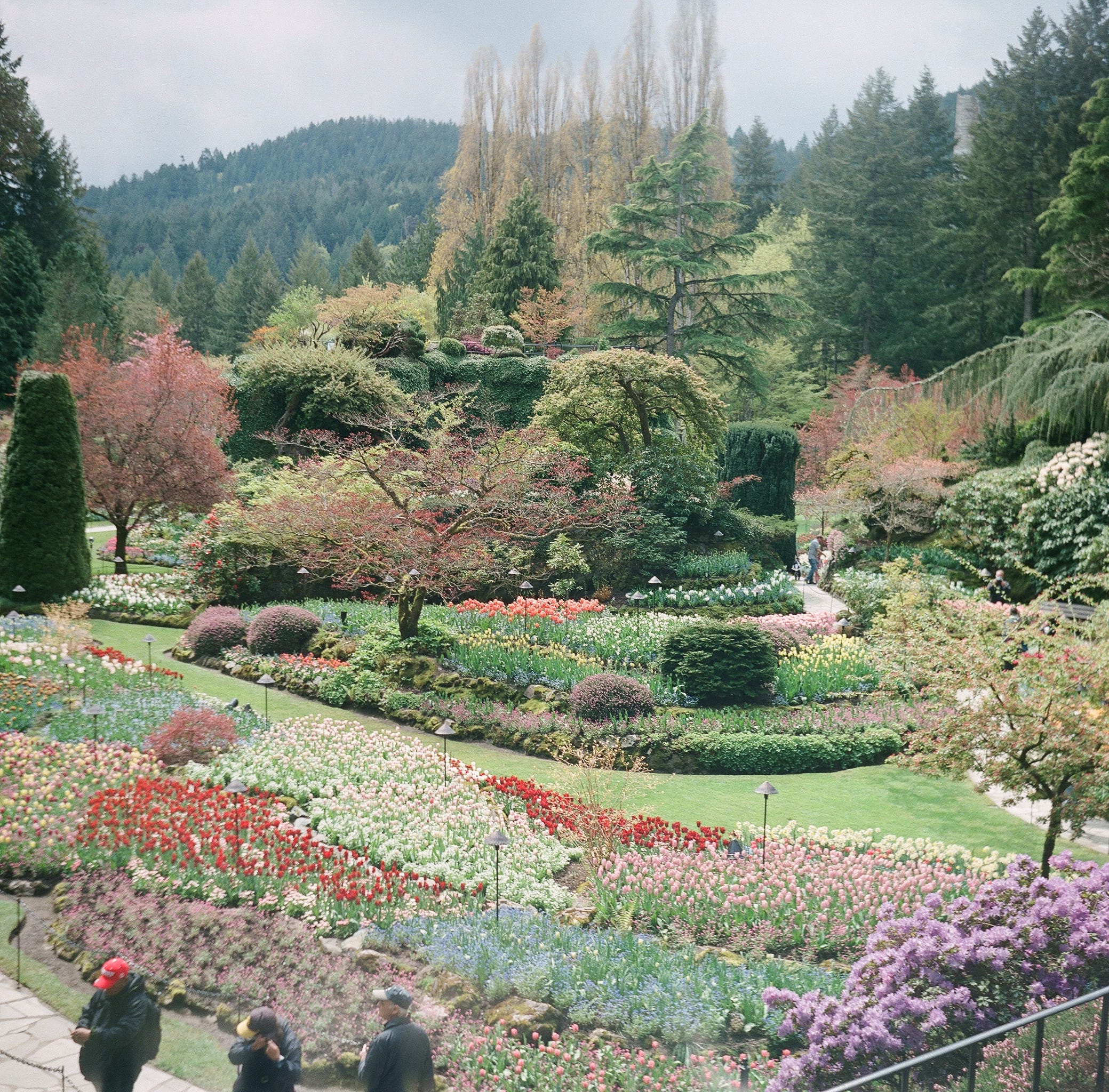
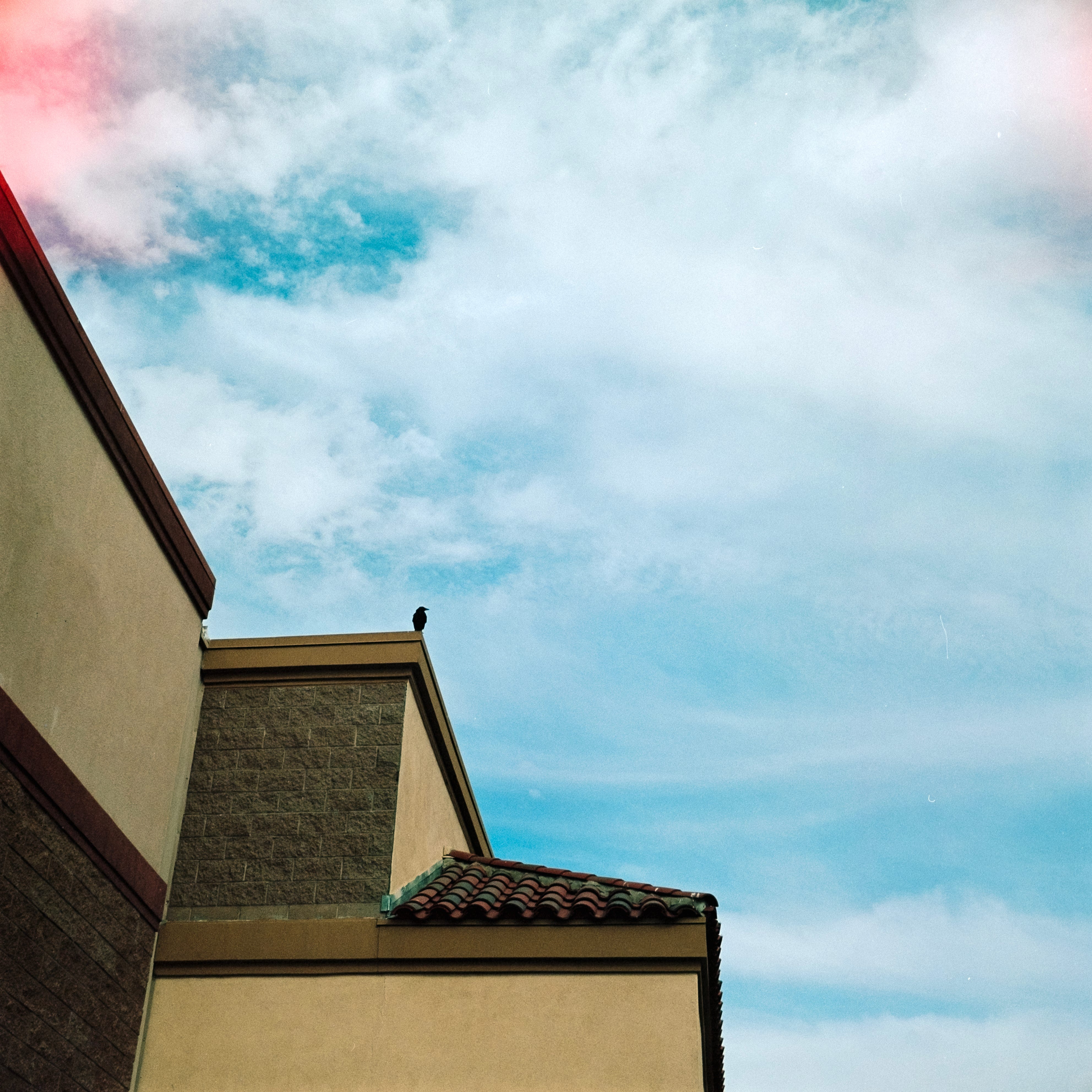
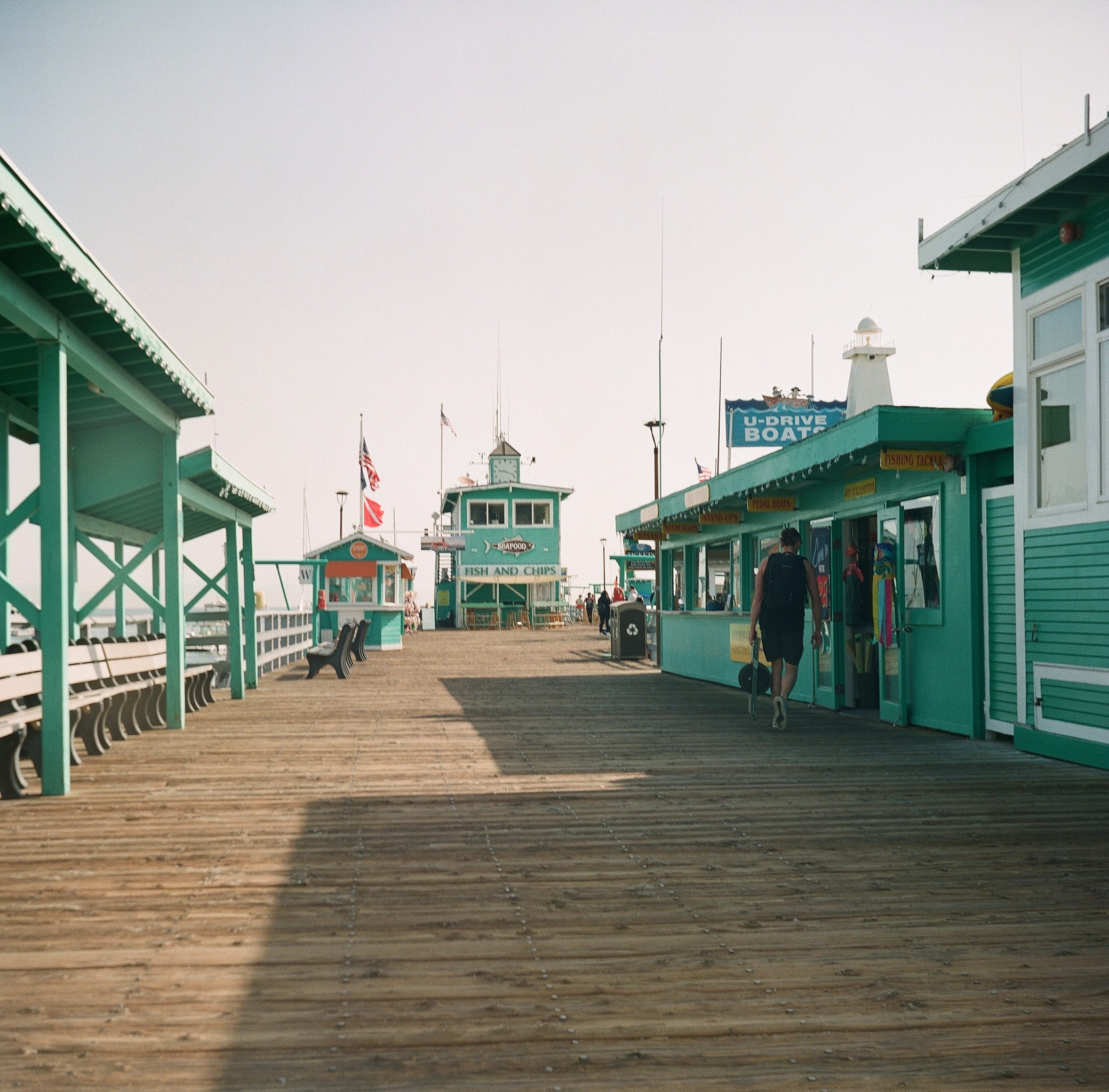
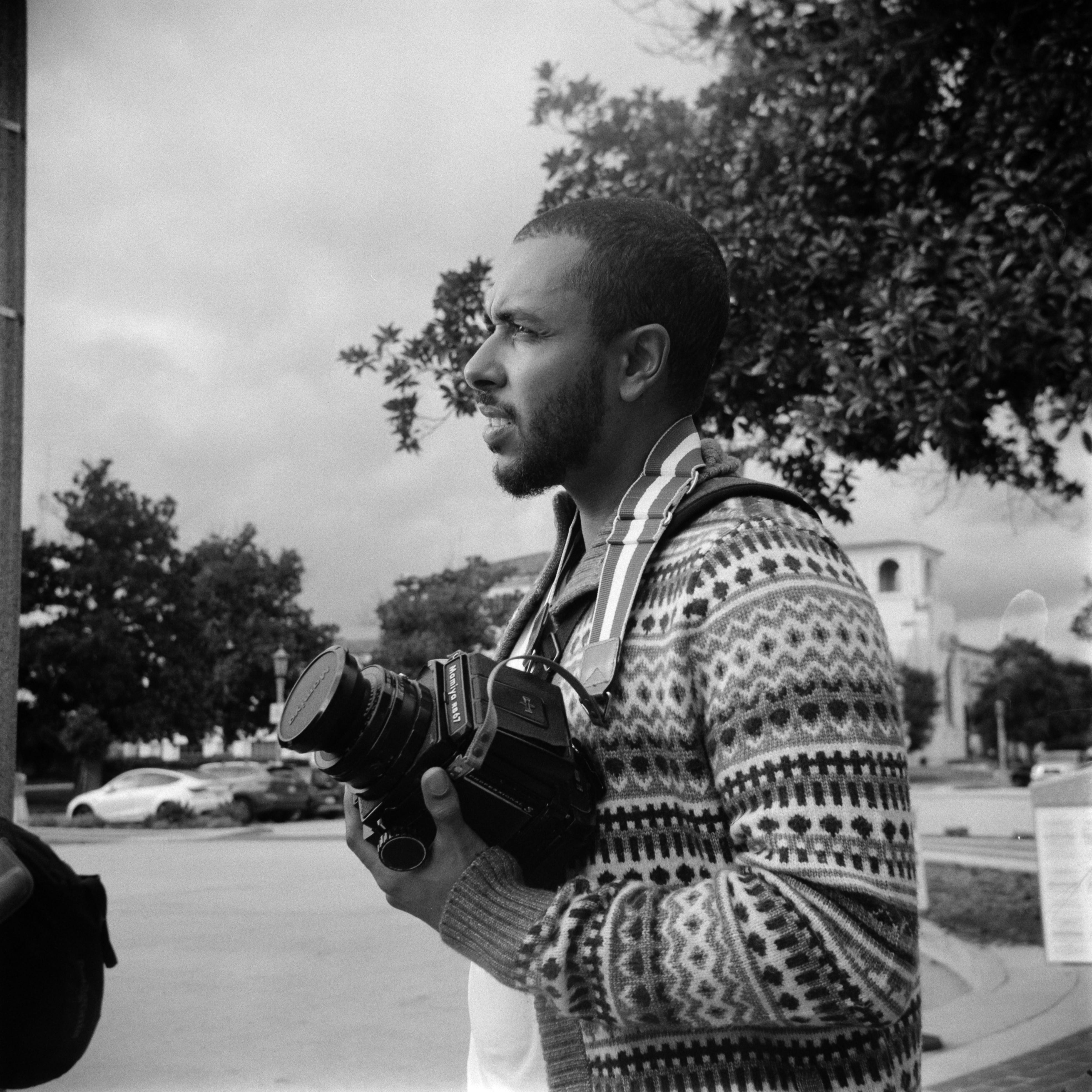
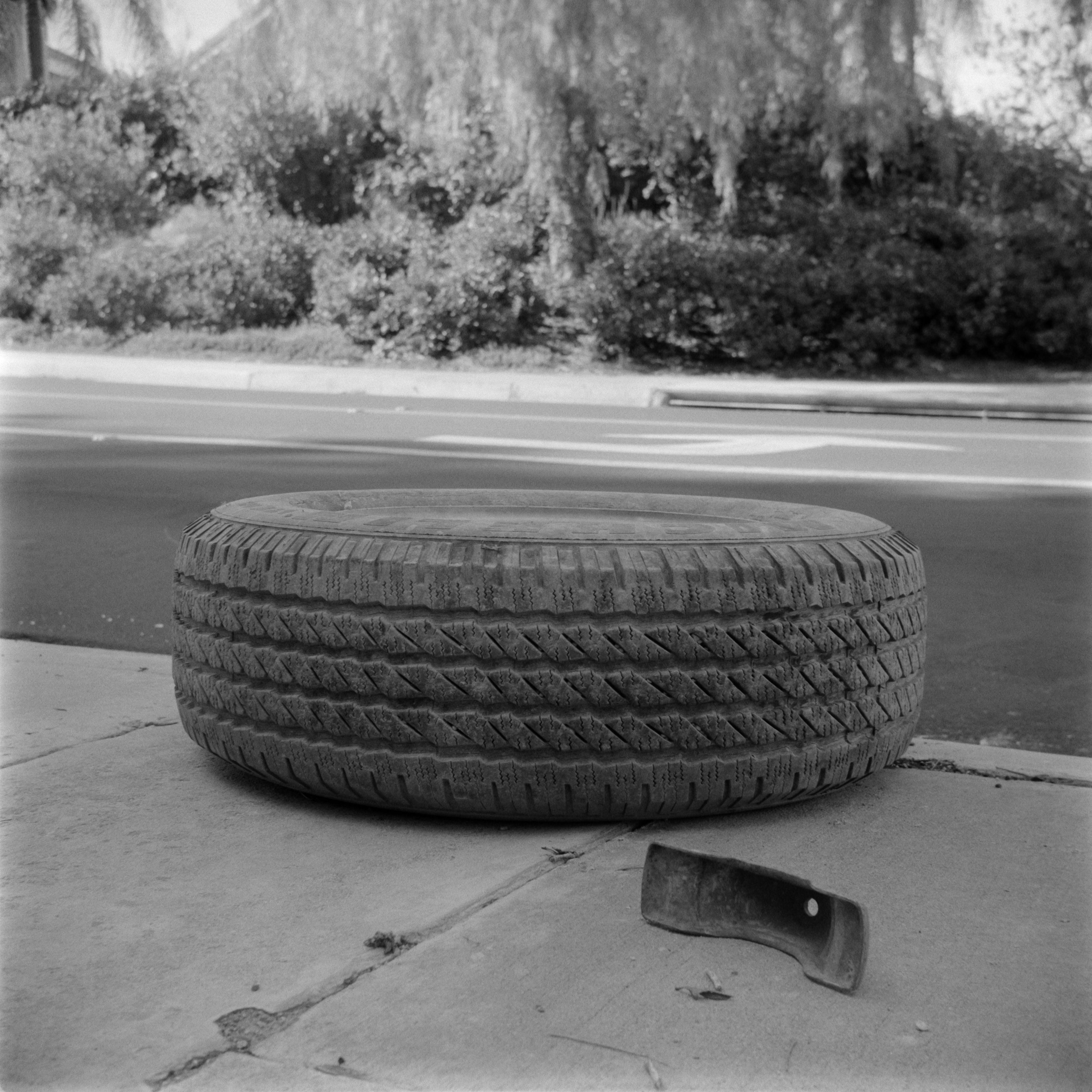
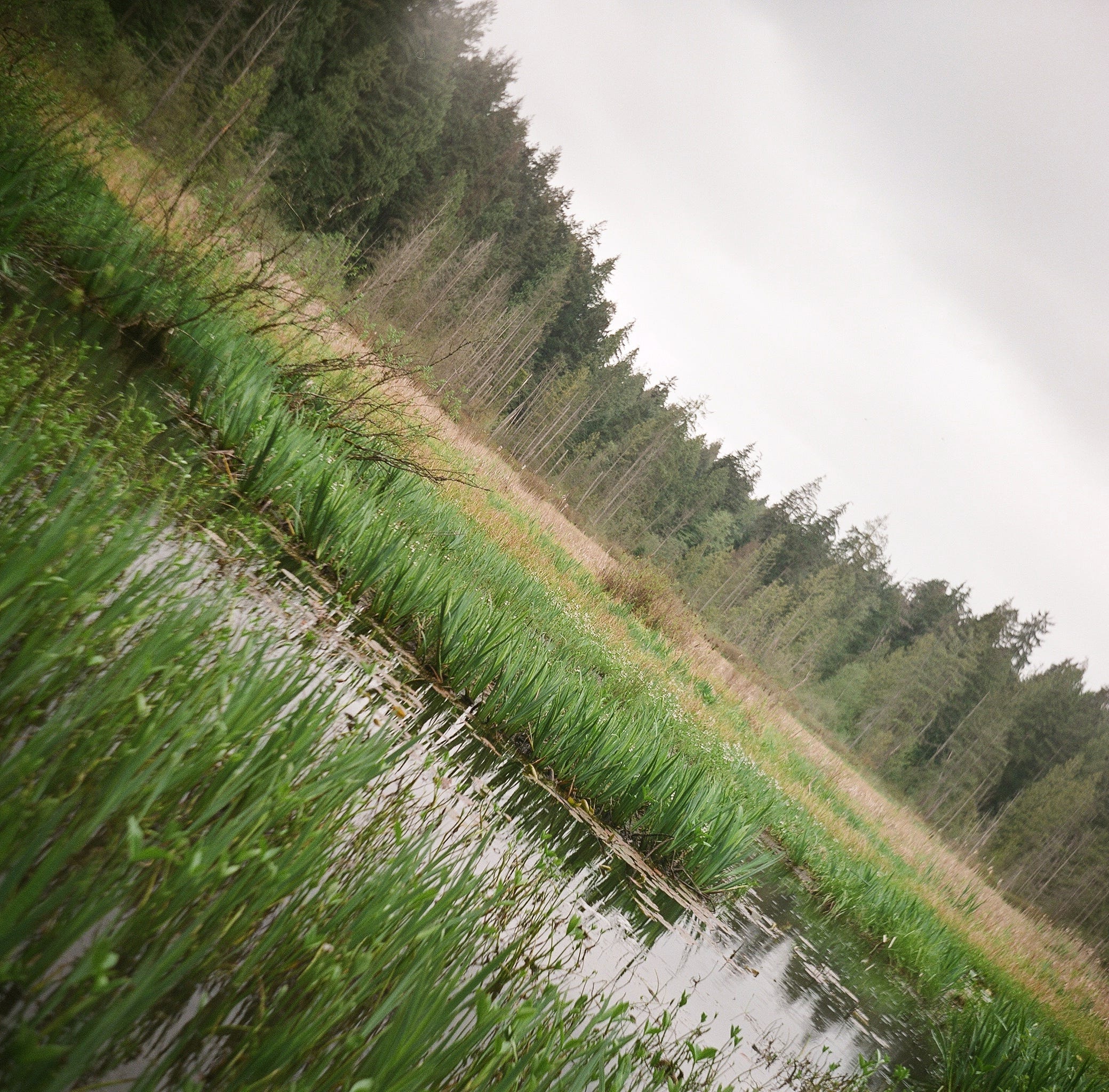
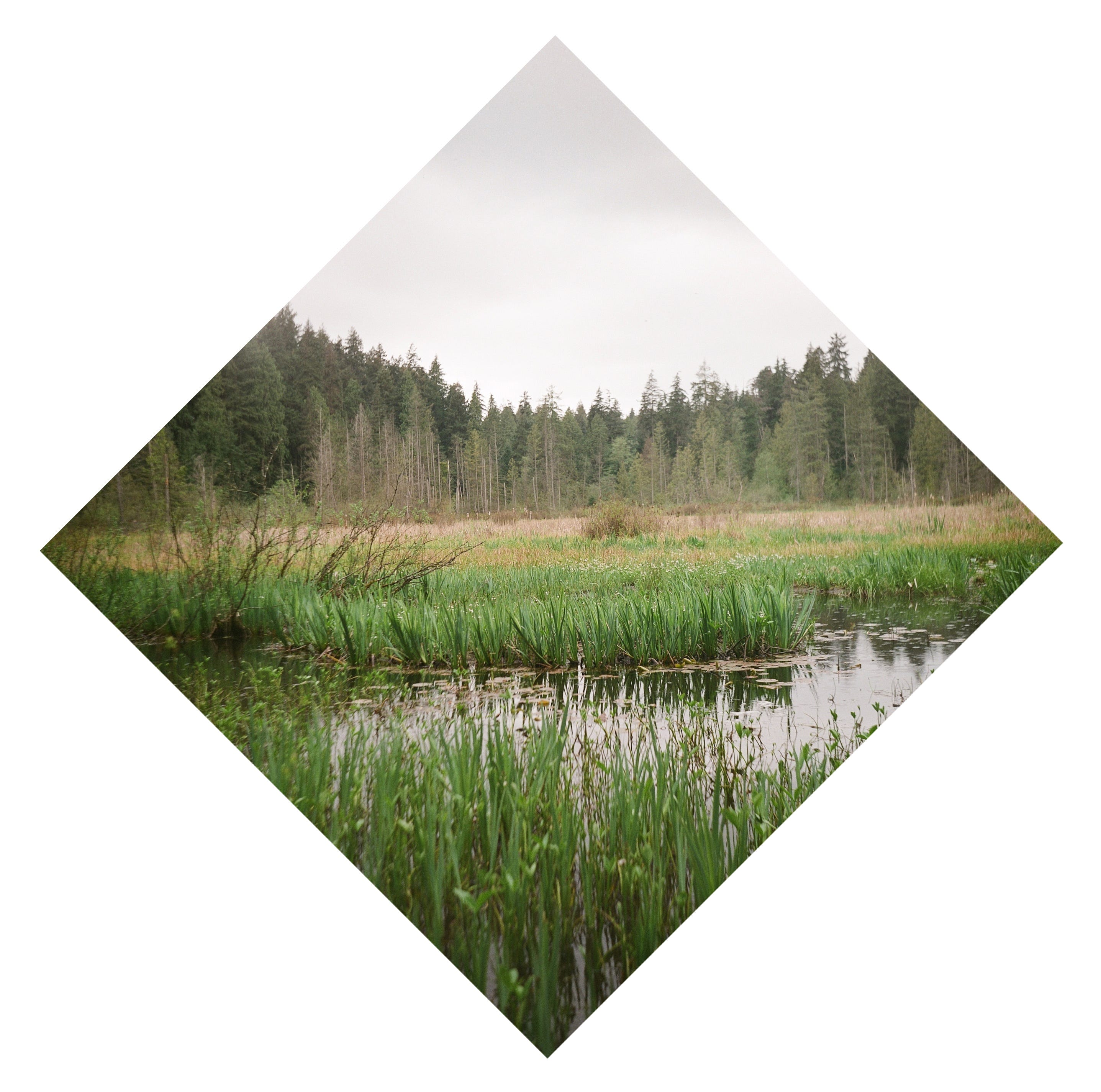
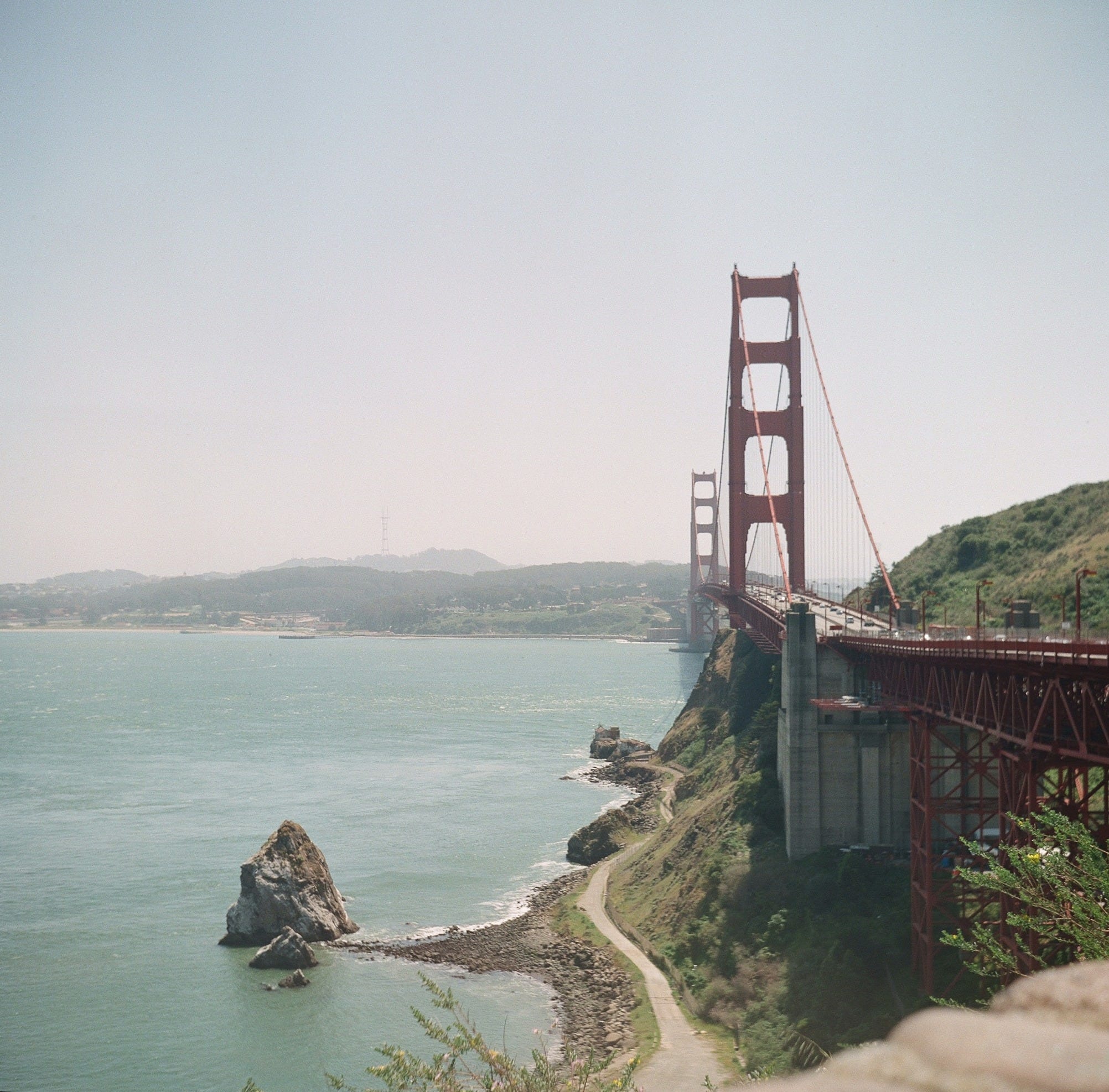
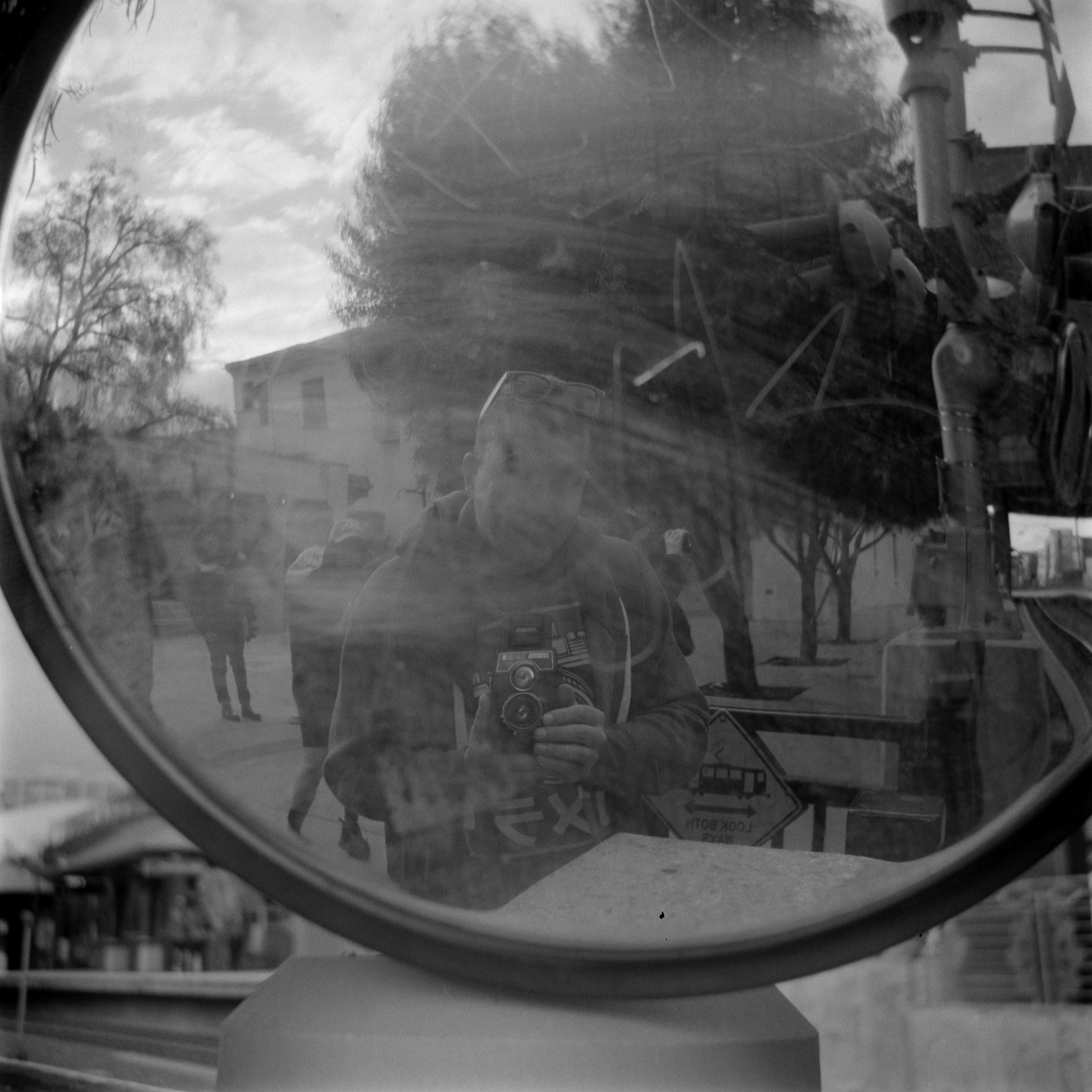
Overall, it’s incredible value for the images you get. The Lubitel is now available new from Lomography, but at $400, it loses a lot of its charm. The old Soviet-built ones are still available for less than $100 on eBay, and assuming you get a good copy, it is a great entry point to try medium-format photography.
It’s not all sunshine and rainbows, however. The plastic build is potentially fragile, and light leaks can occur, but they’re relatively rare. The lens coatings aren’t great, so you need to pay attention to flare. The shutter speed maxes out at 1/250, which makes selecting your film speed very important. It won’t protect you from double exposures, so you had better remember whether you wound on the next frame. Many people fault the focusing screen as unusable, which I disagree with. There is only one small patch you can use for focusing, but it’s an adequate experience, and I’ve never had an instance of misfocus due to the camera.
Do you shoot medium format? Are you considering trying the format out? Do the images above make you consider this Soviet plastic box? Let me know in the comments below.